The Analog Trade Begins

Everybody’s on edge.
Recent hacks and tech flubs have fueled a wave of worry.
As I’m writing this piece, my boss tells me Apple Pay and iCloud are now having issues. The hits just keep coming.
This shouldn’t really surprise anyone who has been paying attention. Last month Michael Prince, CEO of Cloudflare (ticker: NET), said the following:
I think we’re going to have a couple years where every single week it’s going to feel like the sky is falling.
Sounds about right. Except lately it’s been every single day.
Cloudflare is no ordinary company, either. It has extreme visibility into these issues. They run software which protects other sites and apps from bad actors. Fully 21% of the internet uses their services. Nearly all the big companies do.
Cloudflare is on the front lines of this battle. So when the CEO says he expects trouble for the next few years, it’s time to pay attention.
AI Cuts Both Ways
AI is ushering in a new era. One of remarkable tech advancements. Today, anyone with motivation and $20/month can write solid software.
In areas like biotech, we are going to see incredible progress. Powerful new medications and treatments will be designed with AI assistance.
The same goes for semiconductors and computer tech. Engineers are already using specialized AI programs to design more efficient chips. This opens up a world of possibilities. Smaller companies may finally be able to compete in areas that were once the exclusive domain of big tech.
But this will also be a period of tech vulnerability. AI cuts both ways. Anyone with the motivation can also cause chaos with AI. Hacking, propaganda, influence campaigns. The possibilities are endless.
In the past week alone, we’ve witnessed the following:
- Major Microsoft outage
- Nationwide ground stop - air traffic control network went down
- Bank accessibility problems - Chase Bank, BofA, and others
- Uber was hacked, 149,000 drivers licenses leaked
- Zoom, BBC, Salesforce, CNN and 100+ sites hacked via Optimizely
And earlier this month, we had the largest crypto hack in history when $6.3 billion was stolen from Binance.
Digital Weak Spots
Ponder this for a moment: much of the nation’s wealth is stored digitally. Our 401ks live on a server somewhere in the cloud. And in this type of environment, that doesn’t feel very good, does it?
Of course, financial companies have extensive backups. And backups of the backups. But still… Not a great feeling having the majority of ones’ wealth stored as a set of 1s and 0s.
Whenever something this big is beginning, as investors we must think about the effects this will have on various asset classes.
For example, the hack-pocalypse has been very bad for crypto. That’s all digital. The volatility there may continue for some time.
On the other hand…
A Boon for Precious Metals
I’ve been thinking about it a lot lately, and have come to the conclusion that physical gold and silver will be prime beneficiaries.
Instead of keeping all our wealth in the cloud, doesn’t it make sense to have some we can hold in our hands? I think so.
As digital uncertainty grows, I believe more people will put part of their portfolio into gold and silver.
After all, there’s really not many options for people who want to physically possess their wealth. You can own your house, sure. But you can’t take delivery of a stock certificate any more. It’s all in the cloud.
I’m calling this idea the analog trade, since it basically means the opposite of digital. It’s not perfect, but it works.
The point is that over time, more people will move towards tangible wealth. Gold and silver will be the most popular options.
But farmland, small businesses, and real estate are also worthy of consideration. Especially once prices drop.
And yes, I believe this will eventually apply to stocks as well. A gold or iron miner is less vulnerable to being hacked than a big tech company. That aspect will probably take longer. But I’m still holding my miners, patiently waiting for the slide to end.
We may be early on this trend. Gold and silver may move a bit lower before they bottom out. During crash scenarios, nearly everything moves down together.
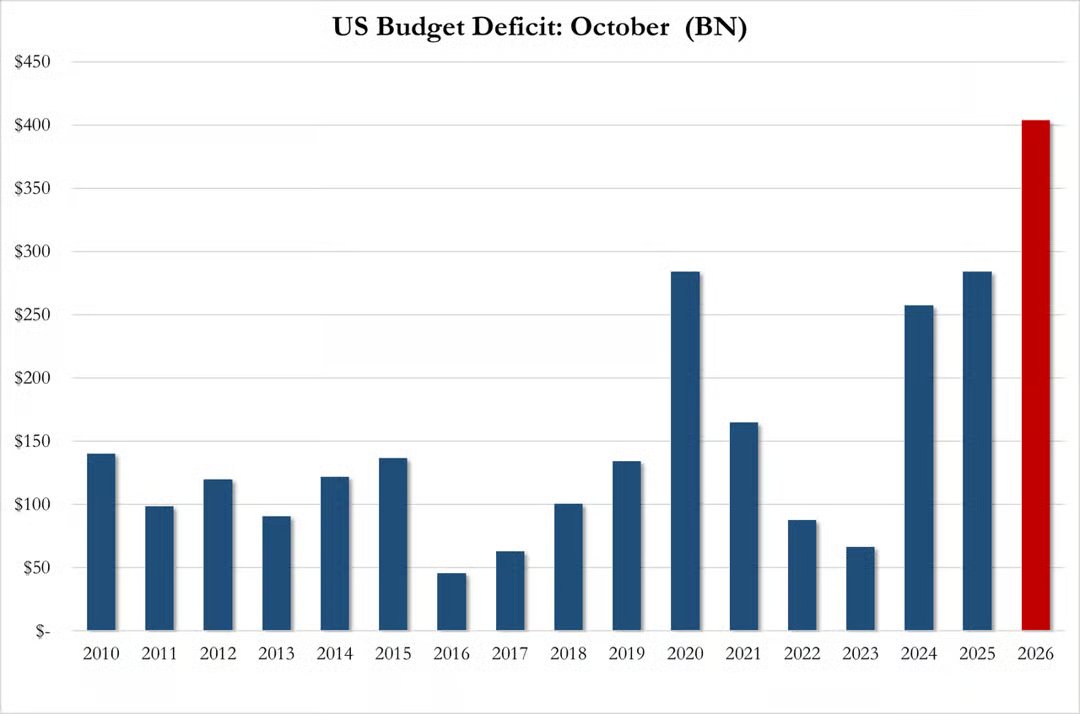
But when you combine the analog trade with catalysts from the looming debt crisis, I’ve never been more certain about the inevitability of far higher precious metals prices.
It’s simply a matter of time.