Blue Asteroid, Gold Bullion

“Democracy is the theory that the common people know what they want; and deserve to get it good and hard.”
So said Baltimore journalist and wordsmith H.L. Mencken (1880 – 1948), who plied his trade in the 1910s through 40s. In other words, people get what they vote for; and, often as not, they inherit consequences that the campaign speeches and brochures conveniently omit.
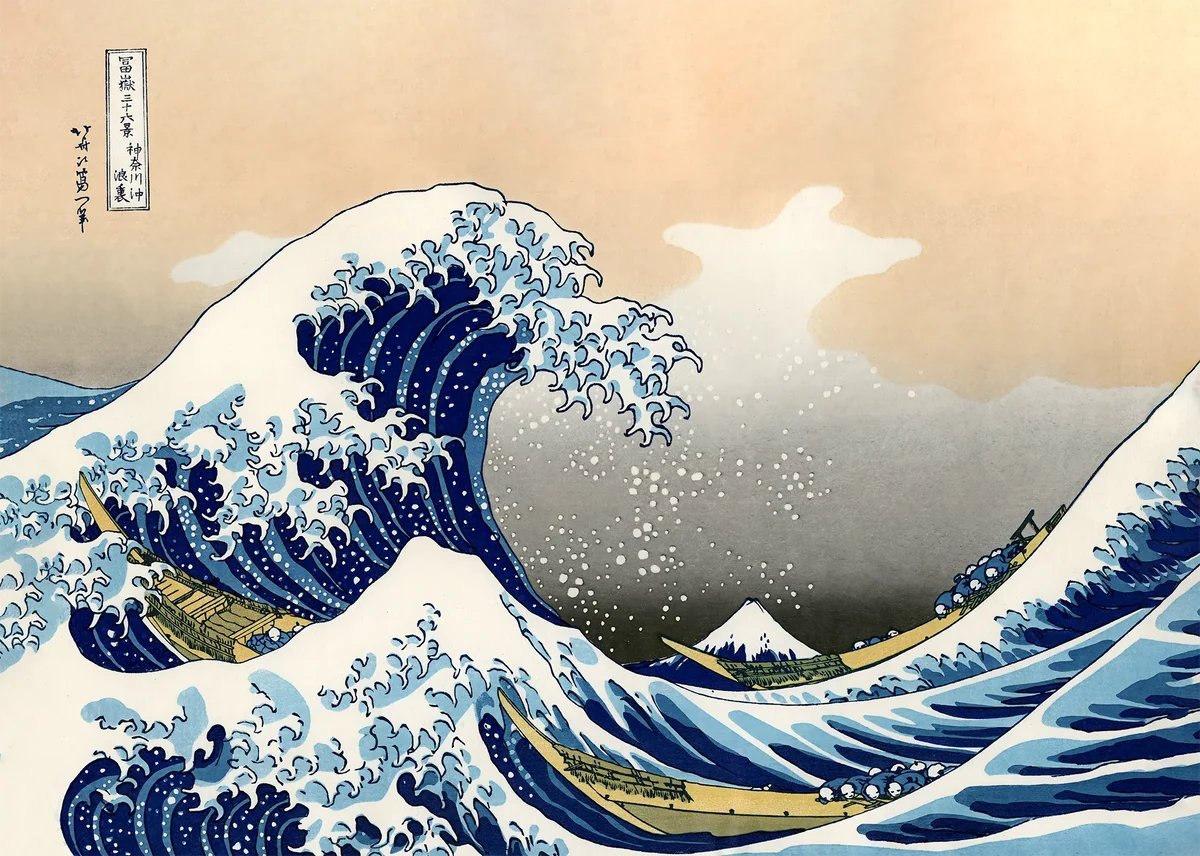
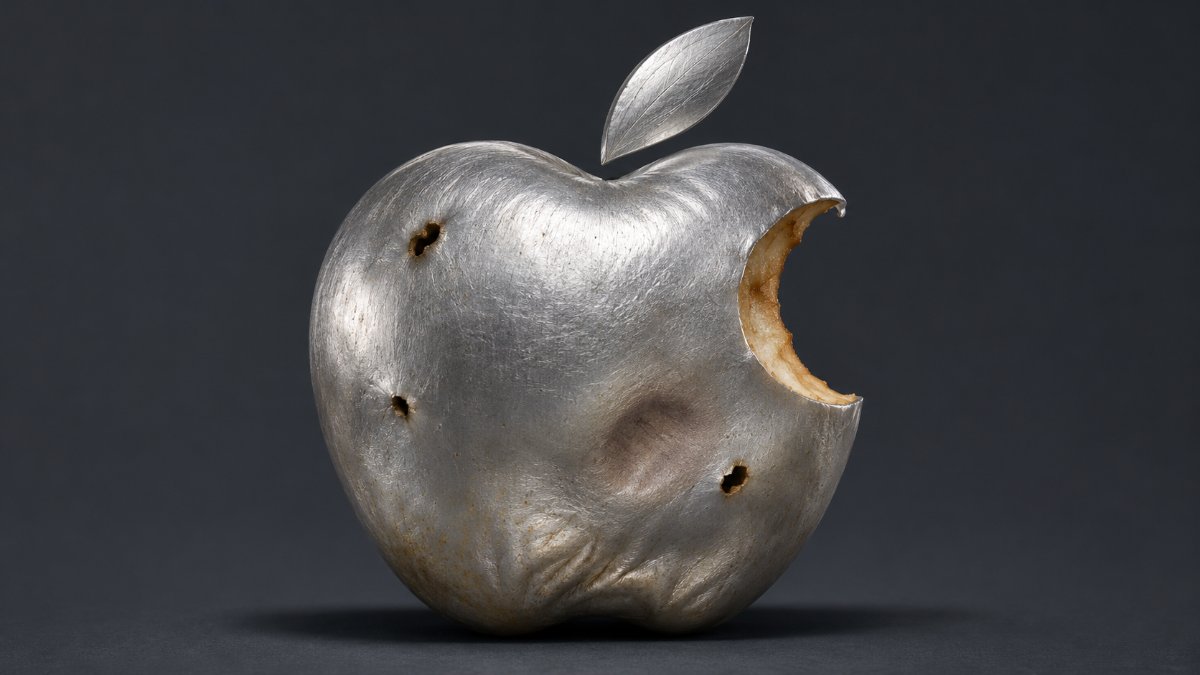
And America definitely voted last week. The result was a Blue Wave, or as one wag called it, “a Blue Asteroid.”
Should half the country man the lifeboats? Well… let’s not go overboard. America has had a two-party system for a long time, and in some eras Republicans prevail while other times it’s the Democrats. For investors, the mission is not to celebrate or mourn; it’s to figure things out and get ahead of events. So, let’s do just that (and a hint: gold should do well.)
A Mandate Is Not a Blank Check
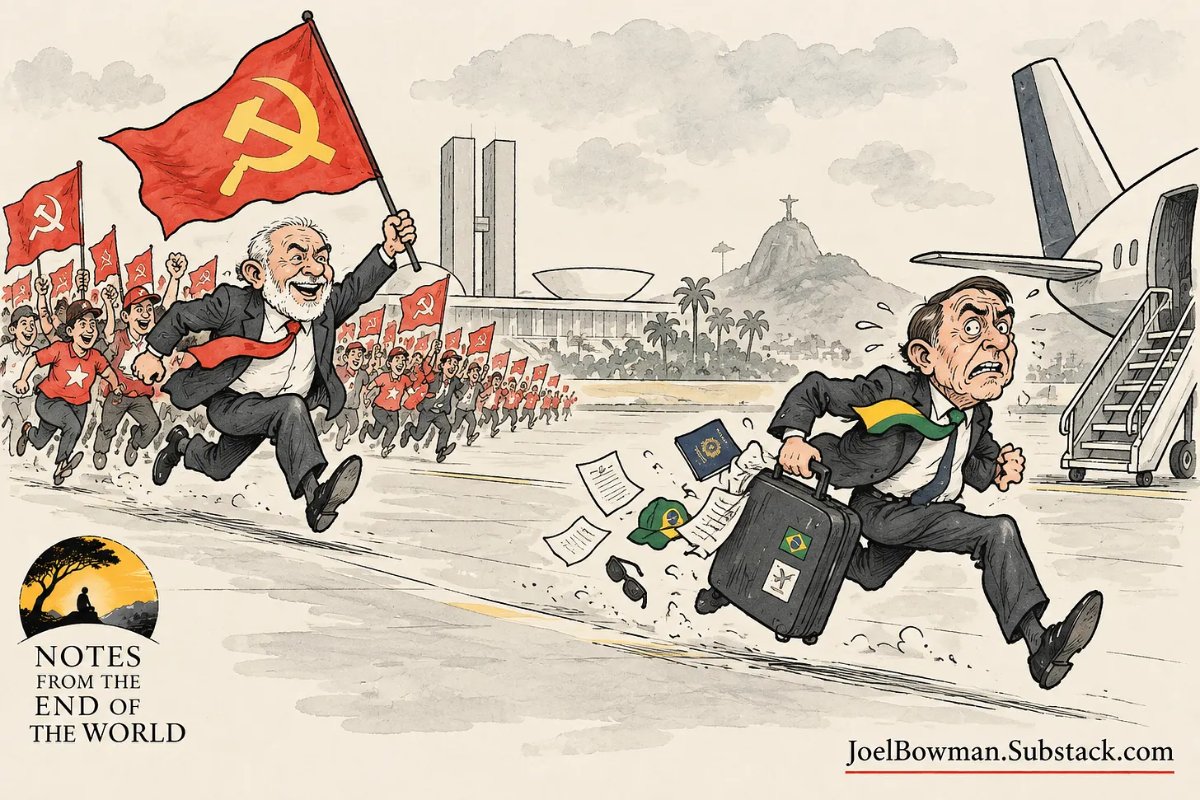
Unless you’ve been in an isolation chamber, you must know that last week, Democrats captured Congress for the next term. Final tallies are incomplete due to vagaries of ballot counting. But come January, the direction of Capitol Hill politics is unmistakable: Democrat and Democrat Socialist, if not Hard Left.
This fall’s campaign rhetoric offers promises and forecasts. While my inner geologist tells me to respect the terrain, distinguish bedrock from rubble, and get real about what actually happened.
And history is instructive, but it’s not a fortune teller. Begin in 2024 when President Trump’s solid victory returned him to the White House; only for four years, though, not a lifetime commission. Meanwhile, voters have short attention spans; they hire an administration, not an emperor. Which is to say that every mandate must be maintained. Stretch it beyond the public’s general tolerance and the relationship fades fast.
For example, per CBS News, 89% of voters believe that the rising cost of living was a major or crucial factor in the election. So, whatever Trump said about the “greatest economy ever,” blah-blah, most people voted their lived experience. Gas pumps and grocery checkout lines set the pace; plus, rents and mortgages, utility bills, insurance and more.
Or look at it this way: Trump’s political theater won’t pay the bills for Joe Sixpack; and while we’re on the subject, Democrats should take that message to heart as well. Votes against Trump – who was on the ballot only in spirit, not in person – do not automatically endorse every opposition proposal.
Democrats campaigned on a theme of so-called “affordability,” a word concocted by their focus groups. And of course, people want to live better lives. But it’s also fair to say that last Tuesday was distinctly NOT a blank check for taxation, regulation or massive ideological experiments. No bedlam, okay?
The Democrat sweep is real, and it’s the nature of U.S. politics that newly elected politicians tend to stick around for a while. Still, Americans want lower prices for food, fuel, rent and much more; they want more jobs; affordable housing; better schools; access to medical care; and safety on the streets. No problemo, si?
Now, what’s the Democrat plan? Can incoming Democrats deliver any of this agenda via their advertised legislation and policy? Or will raw revenge, fist-pounding hearings and anti-MAGA name-calling become the next substitute for governing? We’ll see, right?
Meanwhile, the Campaign of 2028 has begun; candidates are positioning for President, Senate, House. And the rest of the world gets a vote too, so to speak. What happens with Ukraine, Iran, China, Western Europe, the Global South, energy, trade, industrial output, AI and much more?
Competent governance might consolidate the Democrats’ gains. Or they could spend two years spitting nails at Trump; because that’s what America wants to see, right? Screaming ideologues, devoid of workable ideas, who open the borders, blow out the budget, and flush the country down the sewer. Again, we’ll see.
Hoover’s Historic Downfall
Last week’s election reminded me of 1930 (from what I’ve read; because no, I was not around). And back then, Herbert Hoover’s Republicans lost 52 House seats amid the developing Great Depression.
Post-election, Republicans retained a slim House majority. But death and a subsequent special election changed the balance. So, when the new Congress convened in December 1931, Democrats organized the House while Republicans narrowly retained the Senate. It was a harbinger of things to come: the ground had shifted.
Of course, the lesson of 2026 is not that, ipso facto, we’re in for a mechanical repeat of Hoover in 1930. Today’s economy is challenged in many ways, but not perched upon the cusp of tomorrow’s next Great Depression.
Still, fractured voting patterns in precincts across the land deserve attention; that is, a governing party identified with a booming stock market and prosperity for many has lost credibility with voters from sea to sea.
Another takeaway from 1930 is that prolonged economic disappointment can transform voters’ temporary anger into a durable political reputation. And once that reputation hardens, more or better speeches seldom split the stone. Indeed, after Hoover, it took 20 years and Dwight Eisenhower to return a Republican to the White House.
For now, the way out of the political ditch for Republicans is to rebuild credibility and not blame voters. Meanwhile, future success for Democrats requires resisting the temptation to interpret every newly captured seat as ideological consent for some bizarre version of an American neo-Bolshevik Revolution. (Note: this week is the 109th anniversary of Russia’s actual Bolshevik Revolution, by the way.)
The point is, winning an election is one thing. Governing and keeping voters on your side is quite another.
Mellon, Money and the Machinery of Power
For a deeper dive into the history of American prosperity versus hard times, consider a recent book by Greg Steinmetz, entitled The President and the Oligarch: Roosevelt, Mellon, and the Triumph of Big Government.
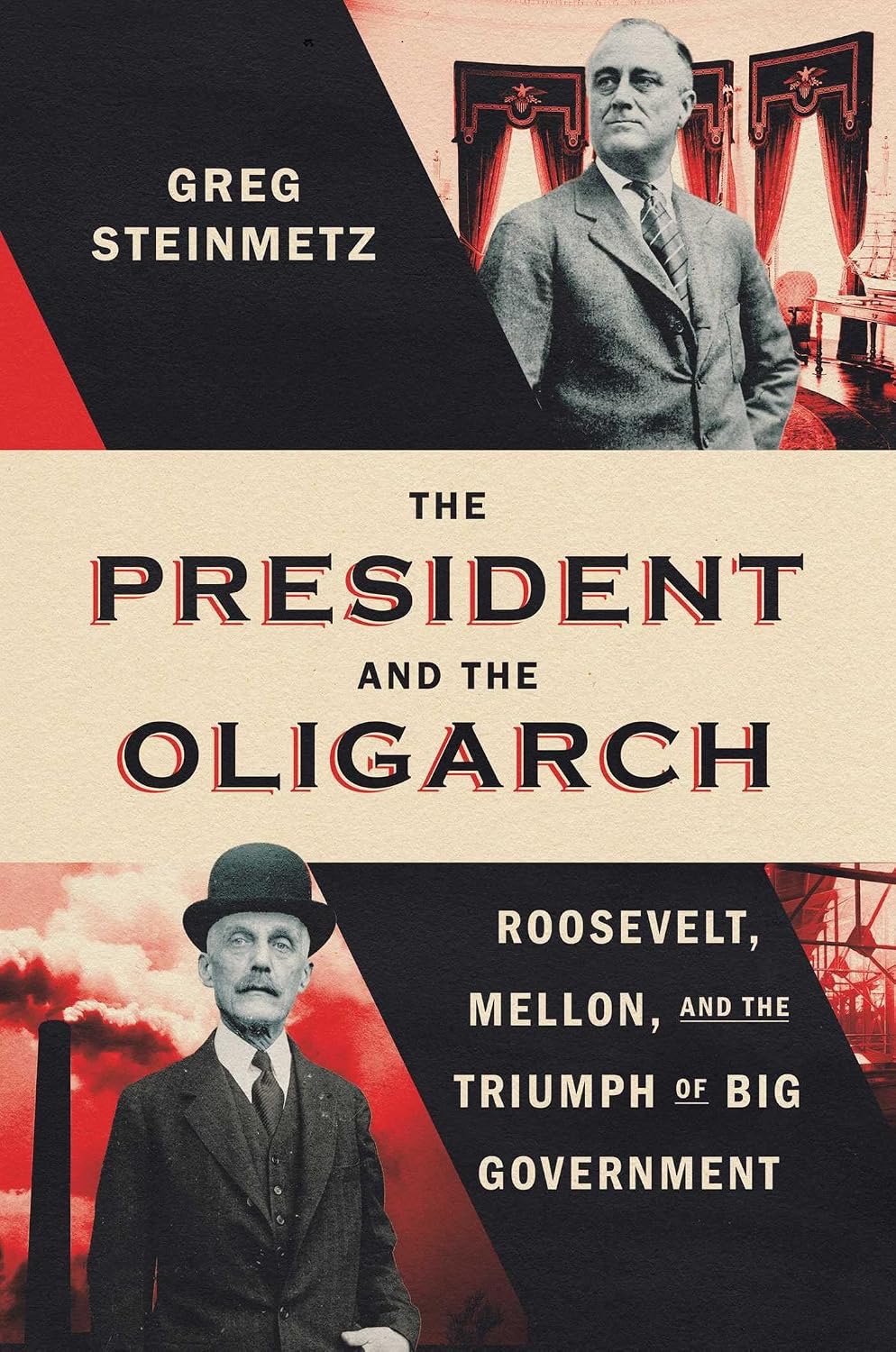
Greg Steinmetz’s new book. Credit Amazon screen shot.
Released in October, this volume follows Pittsburgh banker and industrialist Andrew Mellon through four presidencies – Harding, Coolidge, Hoover and Franklin Roosevelt – and the recurring collisions between private capital and public power.
Mellon served as Secretary of the Treasury under Presidents Harding, Coolidge and Hoover. In his early days as the nation’s Treasurer, he advocated allowing the recession of 1920-21 run its course; which is exactly what happened, and the event ended relatively soon, and led straight into the so-called “Roaring Twenties.”
Plus, Melon advocated for lower taxes, debt reduction and balanced budgets, all in a challenged fiscal environment after the massive expenditures under President Wilson for World War I.
Then in 1929-30 came an economic collapse without recovery. And this led to the election of Franklin Roosevelt in 1932; and his decade of a “New Deal” – and continuing Depression – for Americans.
The Steinmetz book flows well; it’s filled with fascinating vignettes. One learns tales about Mellon at Treasury, plus stories about oil wells, aluminum smelters and the rise of RCA as a market darling (note: Nvidia, anyone?).
The action moves from White House conferences to Mellon’s efforts in London, and by his proxy to the Hermitage in Leningrad, where new American wealth acquired Old Master treasures from the Soviet Union’s Joseph Stalin; paintings which eventually became the nucleus of the National Gallery that Mellon gifted to the American people.
In an irony of ironies, Mellon’s Treasury Department put Al Capone in jail for tax evasion; only later to have that same Treasury Department under Roosevelt pursue Mellon for tax fraud, via charges that were rejected by a series of grand juries and acquittals in various court rooms. In this sense, private wealth, public benefaction and political punishment share the same battlefield.
Another way to interpret the Mellon-Roosevelt contrast – and very personal conflict – is that the appearance of prosperity does not necessarily prove that every policy is sound. Yes, the stock market boomed under Mellon (while many of Roosevelt’s 1920s-era investments lost money!). But for a long list of reasons, Wall Street was rife with fraud, fakery and unrooted share price inflation, which was the setup for calamitous collapse under Hoover.
The market crash of 1929 segued into hard times in 1930. And then, as economic distress spread across the land, came popular demand for government spending. And indeed, that intervention – first by Hoover and then, in much larger ways by Roosevelt – enlarged federal power which was eventually weaponized against convenient culprits. (Sound familiar?)
In short, a government powerful enough to promise everything is also powerful enough to take it all away; indeed, to change the rules by which you earn your living and hold your assets.
Red Ink, Restricted Maneuver
Which brings us to… money! And by now it’s evident that Republicans and Democrats both suffer from a pathological inability to match promises with resources. U.S. spending is out of control, and there’s no stopping this runaway train.
For fiscal 2026, which ended on October 31st, the Treasury reports roughly $2 trillion in borrowing, and more than $1 trillion in interest costs. This is not a campaign abstraction; it’s a monetary hemorrhage.
Spending restraint would require unpopular choices: cutbacks in Social Security, Medicare, Medicaid, Defense and much more. And meanwhile, divided government produces bargaining only over the scale of additional benefits rather than disciplined retrenchment. Gridlock between Trump versus Democrats might restrain new commitments; it will not eliminate or reduce old ones. The Niagara of deficit and debt will still flow.
Recently, the Federal Reserve indicated that it might raise rates in December; wait and see. But inflation remains elevated; and just last week at a conference in Nashville, our old friend and banker Frank Trotter – of the highly innovative Battle Bank – offered an estimate that real inflation currently runs in the range of 5-7% annually.
Gold has moved up in the past week, to over $4,100 per ounce; evidence that some smart money is de-risking via metallic safety, despite the current 5% rate for bonds. Or to pose the question in a different way, does anyone really trust the government’s ability to stabilize purchasing power?
Buy the Rock, Not the Rhetoric
Looking ahead, there’s likely upside in gold, especially if real interest rates decline and fiscal credibility keeps eroding. The Eric Sprott group opines that current share price valuations for well-run miners do not reflect the companies’ strong earnings, solid balance sheets and capital discipline.
Along these lines, we don’t run a portfolio here; but consider the Sprott Gold Miners ETF (SGDM), or the Sprott Junior Gold Miners ETF (SGDJ) as future calls on better days for gold and the mining sector.
To me, at least, many quality mining names are ridiculously cheap relative to assets and earning power. But be selective because not every battered rock-stock is buried treasure. Always consider project quality, mine life, recovery rates, jurisdiction, sustaining investment and free cash flow. Distinguish a profitable producer from a promotional prospect. Cheap shares can conceal expensive geology.
Metallic gold (i.e., already mined and refined) versus mining equities are different forms of exposure. Operating leverage can amplify gains and losses; political interference and execution failures can overwhelm attractive ore.
History’s final instruction is simple: votes change the roster of players who wield power, but not any true laws of economics, let alone geology. So, keep your powder dry and your facts straight. When political promises meet physical reality, it’s best to own hard assets versus political hot air.
That’s all for now. Thank you for subscribing and reading.